
Yoga teacher training has become one of the most transformative educational experiences for aspiring yoga practitioners worldwide. As wellness tourism, holistic education, and mindful living continue to grow in 2026, more people are choosing professional yoga certifications to deepen their practice and explore new career opportunities. Whether your goal is to become a yoga instructor, gain a deeper understanding of yogic philosophy, or embark on a personal growth journey, preparing properly can significantly enhance your experience.
A 200 hour yoga teacher training program is designed to provide foundational knowledge in yoga postures, anatomy, philosophy, teaching methodology, meditation, and breathwork. While the journey is rewarding, entering a training without preparation can make the experience more challenging than necessary. By taking the right steps beforehand, you can maximize your learning, build confidence, and fully embrace the transformation ahead.
Key Takeaways
Understand what to expect before starting your training.
Learn how to prepare mentally, physically, and emotionally.
Discover practical ways to strengthen your yoga practice beforehand.
Find out what to pack, study, and organize before arrival.
Explore strategies for choosing the right training program.
Understand the Commitment Before You Begin
Many students enroll in yoga teacher training with excitement but underestimate the level of commitment involved. A training program is more than attending yoga classes. It combines intensive physical practice with academic learning, self-reflection, and personal development.
Daily schedules often include:
Morning meditation and pranayama
Yoga asana practice
Anatomy and physiology lessons
Yoga philosophy studies
Teaching methodology workshops
Practice teaching sessions
Understanding this structure beforehand helps create realistic expectations and allows you to prepare for the physical and mental demands of the program.
Build a Consistent Yoga Practice
One of the best ways to prepare is by establishing a regular yoga routine before training begins.
You do not need to master advanced poses. Instead, focus on consistency and body awareness. Practicing several times each week can help improve flexibility, strength, endurance, and confidence.
Try incorporating:
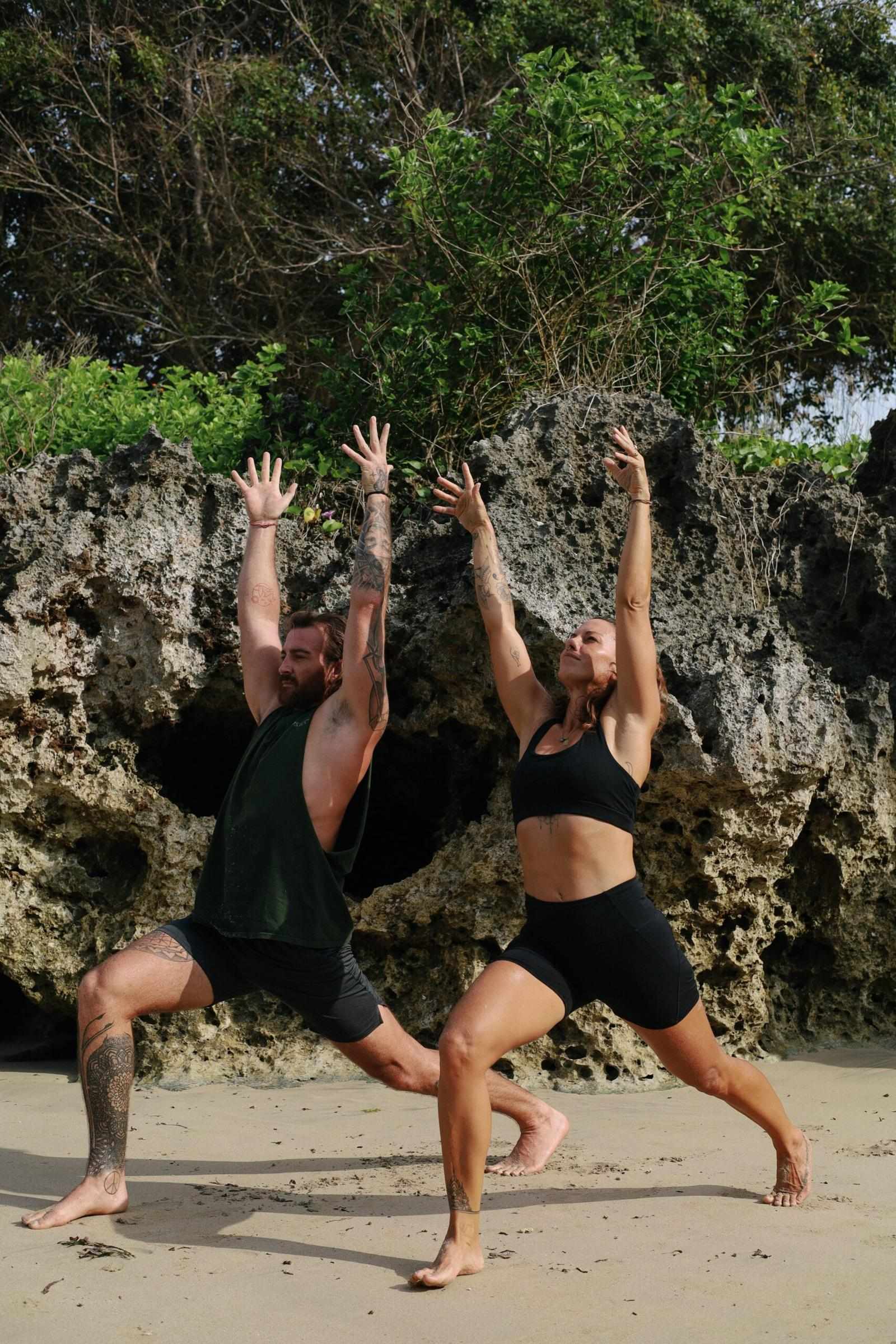
Standing postures for stability
Balance poses for focus
Gentle backbends for mobility
Breathwork exercises for mental clarity
Meditation for concentration
A consistent practice creates a solid foundation that allows you to focus on learning rather than simply keeping up with the physical demands of training.
Strengthen Your Mental Readiness
Yoga teacher training often challenges students mentally as much as physically. Many participants experience emotional breakthroughs, personal discoveries, and shifts in perspective.
Preparing your mindset can help you navigate these experiences successfully.
Consider developing habits such as:
Daily Meditation
Even five to ten minutes of meditation can improve concentration and emotional resilience.
Journaling
Writing down thoughts, goals, and reflections helps increase self-awareness and track personal growth.
Goal Setting
Ask yourself why you are joining the program. Your intention may involve teaching, personal healing, spiritual development, or professional growth. Having clear goals can provide motivation throughout the training.
Learn Basic Yoga Philosophy
While many students focus on physical postures, yoga extends far beyond movement. Familiarizing yourself with foundational yogic concepts can help you feel more confident when classes begin.
Topics worth exploring include:
The Eight Limbs of Yoga
Yoga Sutras of Patanjali
Basic meditation principles
Mindfulness practices
Yogic ethics and lifestyle
Reading introductory yoga books or listening to educational podcasts before training can make philosophical discussions more accessible and enjoyable.
Improve Your Physical Well-Being
Your body will likely experience increased activity levels during training. Supporting your physical health beforehand can improve performance and recovery.
Focus on:
Proper Nutrition
A balanced diet rich in fruits, vegetables, whole grains, and quality protein can support energy levels and recovery.
Hydration
Developing consistent hydration habits before training helps your body adapt to longer practice sessions.
Rest and Sleep
Quality sleep is essential for learning, memory retention, and physical recovery. Aim for a consistent sleep schedule several weeks before your program begins.
Research Your Training Program Carefully
Not all yoga teacher training programs offer the same experience. Choosing the right school is one of the most important decisions you'll make.
When evaluating programs, consider:
Accreditation
Look for recognized certifications and internationally respected standards.
Teaching Faculty
Review instructor credentials, teaching styles, and experience levels.
Curriculum
Ensure the program covers anatomy, philosophy, sequencing, teaching methodology, and practical teaching experience.
Learning Environment
The location and atmosphere can significantly influence your overall experience.
Reading reviews, attending introductory sessions, and speaking with former graduates can provide valuable insights before making a commitment.
Organize Your Schedule and Responsibilities
Many students underestimate the importance of preparing their personal and professional lives before training begins.
Depending on the program format, you may need to:
Request time off from work
Arrange childcare or family support
Manage financial obligations
Complete travel arrangements
Inform clients or colleagues about your availability
Taking care of these responsibilities beforehand allows you to remain fully present during the training.
Prepare for Teaching Practice
A common concern among new students is the idea of teaching in front of others. Fortunately, you do not need prior teaching experience.
You can build confidence before training by:
Practicing yoga terminology
Observing experienced teachers
Learning basic alignment cues
Guiding friends through simple sequences
Speaking confidently in group settings
These small steps can make practice teaching sessions feel much less intimidating.
Pack with Intention
If you're attending a residential program or destination training, thoughtful packing can improve your comfort and focus.
Essentials often include:
Comfortable yoga clothing
Yoga mat and props if required
Water bottle
Notebook and pens
Personal care items
Light layers for varying temperatures
Required reading materials
Avoid overpacking and focus on items that support learning and daily practice.
Embrace a Beginner's Mindset
Many students enter training believing they need extensive knowledge or advanced physical abilities. In reality, the most successful participants often approach the experience with curiosity and openness.
A beginner's mindset encourages:
Greater learning capacity
Adaptability
Self-compassion
Constructive feedback acceptance
Personal growth
Remember that yoga teacher training is designed to teach you. You are not expected to know everything before you arrive.
Best Practices for Selecting the Right Training
As yoga education continues evolving, prospective students should evaluate programs strategically.
Some recommended practices include:
Compare Multiple Programs
Review several options rather than enrolling in the first program you find.
Verify Graduate Outcomes
Look for testimonials that highlight both educational quality and long-term student success.
Assess Community Support
Strong mentorship and community engagement often improve the learning experience.
Consider Your Learning Style
Some students thrive in immersive retreat environments, while others prefer part-time formats that fit around work and family commitments.
Prioritize Authentic Teaching
Choose schools that balance traditional yogic wisdom with modern educational standards.
These considerations can help ensure your training aligns with your goals and expectations.
Common Challenges New Students Face
Understanding potential obstacles beforehand can help you prepare effectively.
Physical Fatigue
Extended practice sessions may initially feel demanding.
Information Overload
The amount of new material can seem overwhelming at first.
Self-Doubt
Many students question their abilities during training.
Emotional Growth
Personal reflection and self-discovery can bring unexpected emotions to the surface.
Recognizing these challenges as normal parts of the journey helps maintain perspective and confidence.
Begin Your Journey with Confidence
Preparing for your first yoga teacher training is about much more than physical readiness. It involves developing the mindset, habits, and knowledge that will support your growth throughout the experience. By establishing a consistent practice, strengthening your mental focus, researching programs carefully, and organizing your responsibilities in advance, you can enter training feeling confident and prepared for success.
For those seeking a transformative learning environment that combines authentic yogic teachings with modern educational excellence, Salty Prana continues to inspire students from around the world through immersive experiences focused on personal growth, professional development, and lifelong learning. Taking the time to prepare today can help you make the most of every moment of your yoga journey tomorrow.
Frequently Asked Questions
Do I need advanced yoga skills before joining a 200 hour yoga teacher training?
No. Most programs are designed for dedicated practitioners rather than advanced yogis. Consistency, willingness to learn, and commitment are generally more important than mastering difficult postures.
How long should I practice yoga before enrolling?
Requirements vary by school, but many recommend practicing regularly for at least six months before beginning training. This provides familiarity with foundational poses and terminology.
Is a 200 hour yoga teacher training only for future teachers?
Not at all. Many students join to deepen their personal practice, improve their understanding of yoga philosophy, and support their overall well-being without intending to teach professionally.
What should I study before training starts?
Basic anatomy, yoga philosophy, meditation principles, and common Sanskrit terms can provide a helpful head start. However, most programs teach these subjects from the ground up.
How physically demanding is yoga teacher training?
The intensity varies depending on the program. Most include daily movement practices, but modifications are typically offered to accommodate different experience levels and physical abilities.
Can I complete a 200 hour yoga teacher training while working full-time?
Yes. Many schools offer weekend, modular, or hybrid formats specifically designed for working professionals who need greater flexibility.




Write a comment ...