
For yoga teachers ready to deepen their knowledge and elevate their teaching skills, a 300 hr ytt offers the next step in professional development. Unlike foundational teacher training programs, advanced training dives deeper into the practical, philosophical, and therapeutic aspects of yoga.
In 2026, yoga education is evolving beyond memorizing poses. Students are seeking immersive learning experiences that combine traditional wisdom with modern science, mindfulness practices, and real-world teaching applications. A well-structured advanced training program provides exactly that.
Whether your goal is to refine your teaching style, expand your understanding of yoga philosophy, or gain specialized skills, understanding the curriculum can help you choose the right path.
Advanced Asana Practice and Alignment
One of the most significant components of a 300-hour curriculum is the deeper exploration of yoga postures.
Students learn:
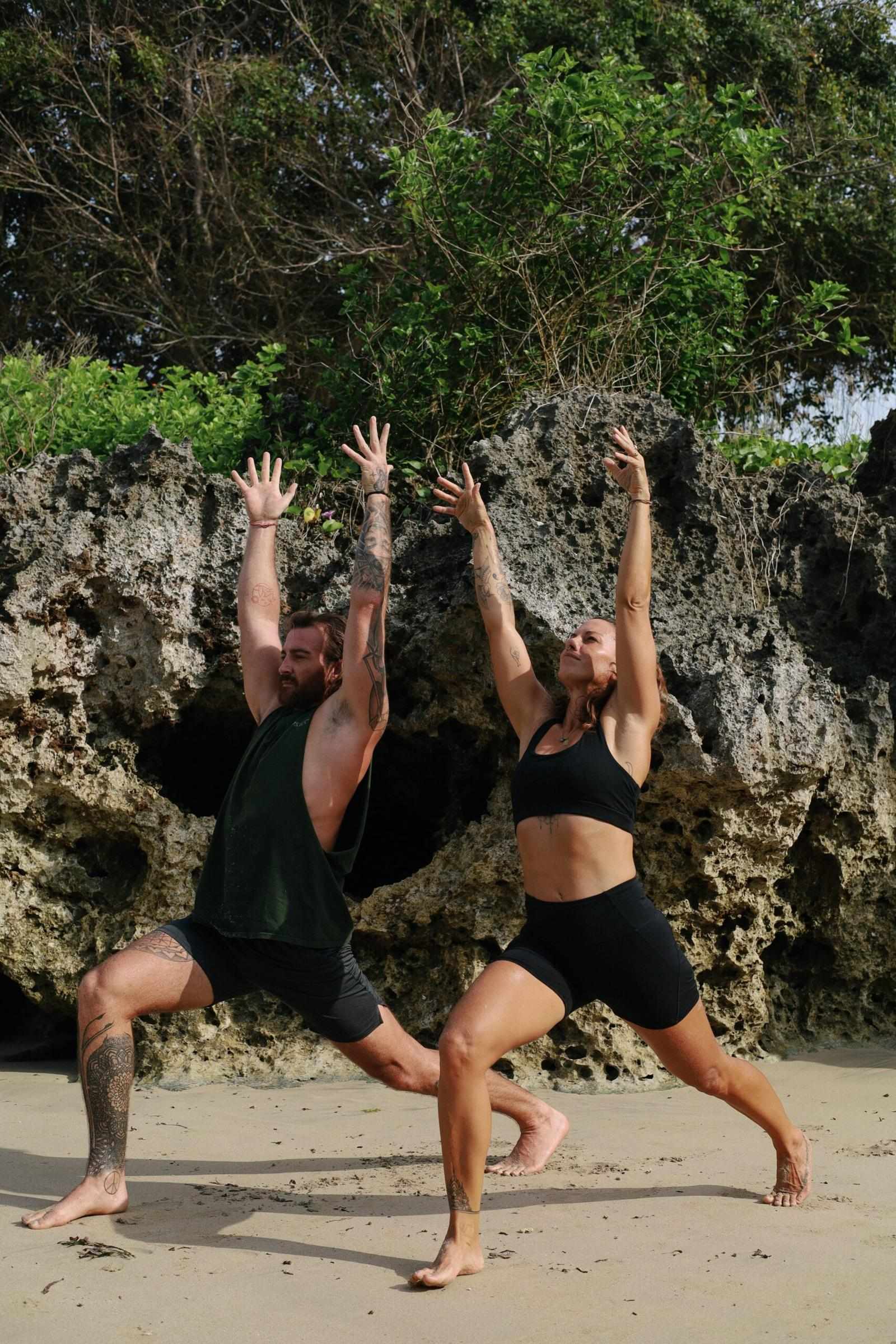
Advanced standing and balancing poses
Backbends and inversions
Safe transitions between postures
Intelligent alignment principles
Pose modifications for different body types
Rather than simply performing poses, trainees learn why alignment matters and how to teach it effectively.
Why This Matters
Understanding alignment helps teachers create safer classes while supporting students with different levels of experience and mobility.
Comprehensive Yoga Anatomy and Physiology
Modern yoga education places a strong emphasis on anatomy.
A typical curriculum includes:
Skeletal and muscular systems
Joint mechanics
Fascia and connective tissue
Nervous system regulation
Breath and movement relationships
Injury prevention strategies
By understanding how the body functions, yoga teachers can offer more informed guidance and adapt practices to individual needs.
Yoga Philosophy and Yogic Wisdom
A 300-hour training goes beyond physical practice to explore yoga's deeper roots.
Common areas of study include:
The Yoga Sutras
The Bhagavad Gita
The Eight Limbs of Yoga
Meditation philosophy
Ethics for yoga teachers
These teachings help students integrate yoga into daily life while bringing greater authenticity to their teaching.
Advanced Pranayama and Breathwork
Breathwork plays a central role in advanced teacher training.
Students often study:
Nadi Shodhana
Kapalabhati
Bhramari
Ujjayi Breathing
Breath awareness techniques
Learning how breath influences the nervous system enables teachers to create more balanced and intentional class experiences.

Sequencing and Class Design
Creating meaningful yoga experiences requires more than knowing individual poses.
Advanced training teaches:
Intelligent class sequencing
Peak pose preparation
Theme development
Energy management throughout class
Workshop planning
These skills help teachers deliver classes that feel purposeful, balanced, and engaging.
Teaching Methodology and Leadership Development
A significant portion of the curriculum focuses on becoming a more confident and effective teacher.
Topics often include:
Voice projection
Communication skills
Hands-on assists
Observation techniques
Student engagement
Classroom management
Many trainees discover that these leadership skills extend beyond the yoga studio and positively influence other areas of life.
Specialized Yoga Modalities
Many advanced programs introduce complementary styles and specialized topics such as:
Yin Yoga
Restorative Yoga
Functional Movement
Mobility Training
Yoga for Specific Populations
Trauma-Informed Teaching
These additional skills allow teachers to serve a broader range of students.
Yoga Business and Professional Development
In today's competitive wellness industry, successful yoga teachers need more than teaching skills.
Many advanced programs include:
Personal branding
Marketing fundamentals
Social media strategy
Workshop creation
Community building
Client retention
These practical lessons help graduates build sustainable teaching careers.
Practice Teaching and Mentorship
An essential element of any quality 300-hour curriculum is hands-on teaching experience.
Students typically receive:
Detailed feedback
Peer teaching opportunities
Mentorship support
Teaching assessments
Personalized coaching
This practical experience bridges the gap between learning and teaching confidently in real-world settings.
Ready to Deepen Your Yoga Journey?
If you're looking to expand your knowledge, strengthen your teaching abilities, and immerse yourself in a transformative learning experience, a comprehensive 300-hour training can be the next step in your evolution as a yoga teacher. At Salty Prana, students are supported through an enriching curriculum that blends traditional yogic wisdom with modern teaching methodologies, helping them grow both personally and professionally.
FAQs
Is a 300-hour yoga teacher training worth it?
Yes. A 300-hour training helps experienced teachers deepen their knowledge, improve teaching skills, and expand career opportunities within the wellness industry.
Do I need a 200-hour certification before joining a 300-hour training?
Most programs require students to complete a recognized 200-hour teacher training before enrolling.
How long does it take to complete a 300-hour yoga teacher training?
The duration varies by program. Some intensive courses last a few weeks, while modular programs may span several months.
What subjects are usually included in a 300-hour curriculum?
Common subjects include advanced asana, anatomy, philosophy, pranayama, meditation, sequencing, teaching methodology, and professional development.
Can a 300-hour training help me become a better yoga teacher?
Absolutely. The program is specifically designed to refine teaching skills, improve confidence, and provide a deeper understanding of yoga.






Write a comment ...